

What Is An Anxiety Disorder?
Anxiety is a natural response, but it shouldn’t control your life.
— Savant Care Team
Anxiety is a normal emotion. It’s your brain’s way of reacting to stress and alerting you of potential danger ahead. Occasional anxiety is a normal part of life.
However, anxiety disorders are different. They are a group of mental illnesses that cause constant and overwhelming anxiety and fear. This excessive anxiety can make you avoid work, school, family get-togethers, and other social situations that might trigger or worsen your symptoms.
What Causes an Anxiety Disorder?
While the exact cause of anxiety disorders is unknown, a combination of factors plays a role:
Genetics & Biology
- Family history of anxiety disorders
- Brain chemistry and altered brain circuits
- Underlying medical conditions (e.g., thyroid issues)
Environmental Factors
- Trauma or stressful life events
- Chronic stress at work or in relationships
- Substance use or withdrawal
Can a Medical Condition Cause Anxiety Symptoms?
Yes. Anxiety symptoms don't always start in the mind. Several physical conditions can trigger or worsen them, which is one reason a full evaluation matters before starting treatment.
Thyroid Conditions
An overactive thyroid (hyperthyroidism) speeds everything in your body up. Racing heart, tremors, trouble sleeping, anxiety: it can look almost identical to an anxiety disorder on its own.
Heart Conditions
Irregular heart rhythms like atrial fibrillation can cause palpitations, chest discomfort, and shortness of breath, symptoms that feel a lot like a panic attack. The causes are different, so it's worth ruling out a cardiac issue if these symptoms are new or severe.
Respiratory Conditions
Asthma and COPD make breathing harder, and struggling to breathe is itself a common anxiety trigger. Many people managing a chronic respiratory condition end up dealing with anxiety alongside it.
Vitamin B12 Deficiency
Low B12 has been linked to fatigue, poor concentration, and increased anxiety in some people. A simple blood test can confirm whether that's what's going on.
Hormonal Changes
Estrogen and progesterone shift a lot during perimenopause and menopause, and that shift can bring on new or worse anxiety, even in people who've never dealt with it before.
Medications
Some corticosteroids, stimulant medications, and decongestants can cause anxiety as a side effect, especially at higher doses. If your anxiety started around the same time as a new prescription or dosage change, mention it to your provider.
If anxiety is showing up alongside a racing heart, breathing changes, or fatigue that won't go away, it's worth getting checked out. A full evaluation can tell you whether something physical is driving it, and get you toward the right treatment.
Recognizing the Symptoms
Anxiety symptoms can be both physical and emotional, varying in severity from person to person.
Emotional Symptoms
- Feelings of apprehension or dread
- Feeling tense or jumpy
- Restlessness or irritability
- Anticipating the worst and being watchful for signs of danger
Physical Symptoms
- Pounding or racing heart and shortness of breath
- Sweating, tremors, and twitches
- Headaches, fatigue, and insomnia
- Upset stomach, frequent urination, or diarrhea
Common Types of Anxiety Disorders
Generalized Anxiety Disorder (GAD)
Chronic, exaggerated worrying about everyday life, consuming hours each day.
Panic Disorder
Repeated episodes of sudden feelings of intense anxiety and fear or terror that reach a peak within minutes (panic attacks).
Social Anxiety Disorder
Intense fear or anxiety about social situations where you may be judged, embarrassed, or rejected.
Specific Phobias
Intense, irrational fear of a specific object, situation, or activity.
Separation Anxiety Disorder
Excessive fear or anxiety about separation from those to whom the individual is attached.
Anxiety Attacks vs. Panic Attacks: What's the Difference?
People often use "anxiety attack" and "panic attack" as if they're the same thing. Only one of them is actually a clinical term.
Panic attack is defined in the DSM-5-TR: a sudden, intense surge of fear or discomfort that peaks within minutes, often without warning. It typically involves several of the following: a pounding heart, sweating, trembling, shortness of breath, chest tightness, nausea, dizziness, chills or hot flashes, and a sense of unreality or detachment. Most panic attacks fade within 10 to 30 minutes. When they keep recurring unexpectedly, that's usually what leads to a panic disorder diagnosis.
Anxiety attack doesn't appear in the DSM-5-TR at all. It's just the informal term people reach for to describe intense anxiety that builds gradually, tied to a specific worry or stressor, and can drag on for hours instead of minutes.
| Panic Attack | Anxiety Attack | |
|---|---|---|
| Onset | Sudden, often without warning | Builds gradually |
| Duration | Usually peaks and fades within 10-30 minutes | Can last for hours |
| Trigger | May have no clear trigger | Usually tied to a specific stressor |
| Clinical status | Defined in the DSM-5-TR | Informal term, not a diagnosis |
Both are real, and both respond to treatment. If either keeps happening, that's worth bringing to a provider rather than riding it out alone.
Treating Anxiety disorder at Savant Care
Anxiety disorders are highly treatable. A customized treatment plan often yields the best results.
Psychotherapy
Cognitive Behavioral Therapy (CBT) helps you learn different ways of thinking and reacting to anxiety-producing situations.
Medications
Anti-anxiety medications and antidepressants can help balance brain chemistry and prevent episodes.
Support & Coping
Stress management techniques, mindfulness, and support groups play a vital role in recovery.
Your Care Team
Our board-certified psychiatrists specialize in treating psychotic disorders with compassion and expertise.

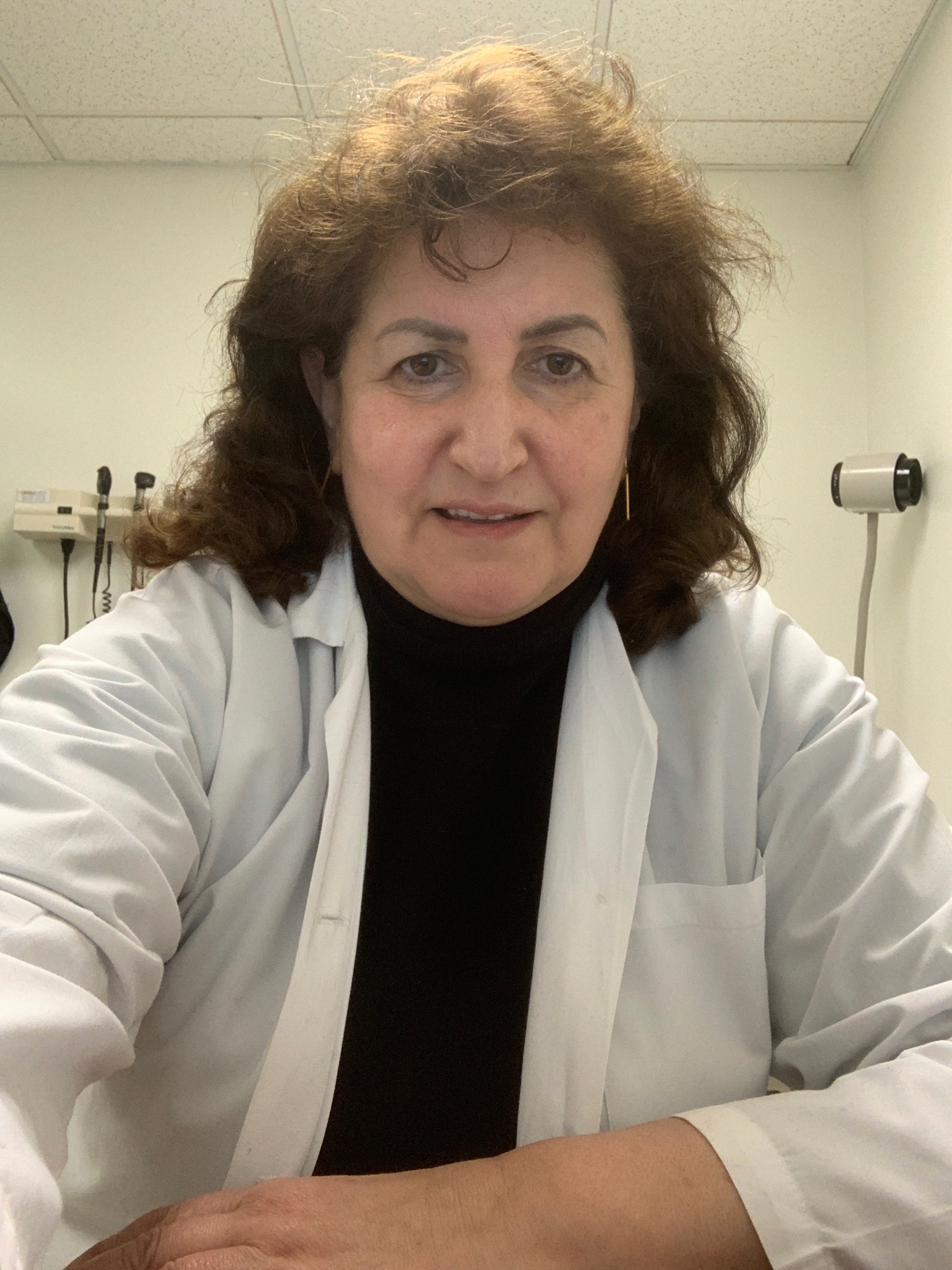

Dr. Bernice Ponce de Leon
DO, Board-Certified Child & Adolescent Psychiatrist | Licensed in CA, NV
View profileWhen Should You Seek Help?
It's important to seek help if anxiety is affecting your daily life and relationships.
Reach out if you or a loved one experience:
- You feel like you're worrying too much and it's interfering with your work, relationships, or other parts of your life
- Your fear, worry, or anxiety is upsetting to you and difficult to control
- You feel depressed, have trouble with alcohol or drug use, or have other mental health concerns along with anxiety
- You think your anxiety could be linked to a physical health problem
- You have suicidal thoughts or behaviors (Seek emergency treatment immediately)
Ready to take the next step?
Our team is here to help — no pressure, no judgment.
Frequently Asked Questions
Yes. Anxiety commonly causes chest pain, which can feel sharp, aching, or like a muscle spasm. If chest pain is frequent or severe, see a doctor to rule out a cardiac condition.
Anxiety can temporarily raise blood pressure through stress hormone release, but it does not usually cause chronic hypertension. Ongoing stress and anxiety may contribute to cardiovascular risk over time.
The term "anxiety attack" is commonly used informally to describe an intense period of worry or distress, often building gradually over time. In contrast, panic attacks are sudden, intense episodes of fear that come on rapidly and cause strong physical reactions such as rapid heartbeat, sweating, trembling, and shortness of breath, even when no real danger is present. See Anxiety Attacks vs. Panic Attacks below for a full side-by-side comparison.
Yes. Anxiety sets off your body's stress response, and that reaches further than your mood. It affects your gut: stress hormones and vagus nerve signals can disrupt digestion, which is why anxiety often shows up as nausea, queasiness, or an upset stomach. It affects your balance too, since the same stress response can overstimulate your inner ear, often bringing on dizziness or lightheadedness right alongside it. These symptoms tend to ease as the anxiety does. If nausea or dizziness is severe, doesn't let up, or comes with chest pain or fainting, get it checked to rule out other causes.
Anxiety can make you feel detached from yourself or your surroundings, a phenomenon called depersonalization or derealization. It can feel unsettling: like you're watching yourself from outside your body, or like the world around you isn't quite real. This isn't the same as psychosis. With depersonalization or derealization, you stay aware the experience isn't literally true; psychosis involves losing that awareness. Brief episodes are common under stress and usually pass on their own. If they're frequent or distressing, a therapist can help.